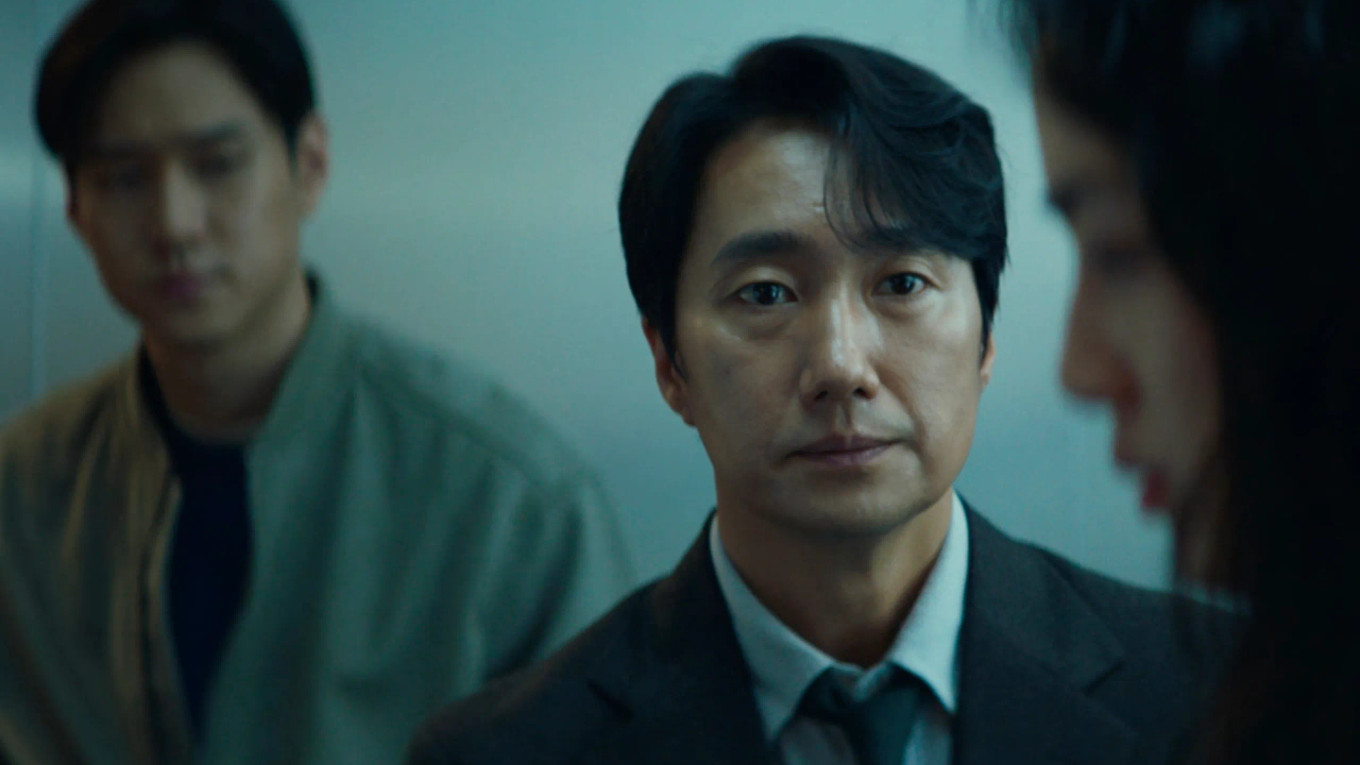
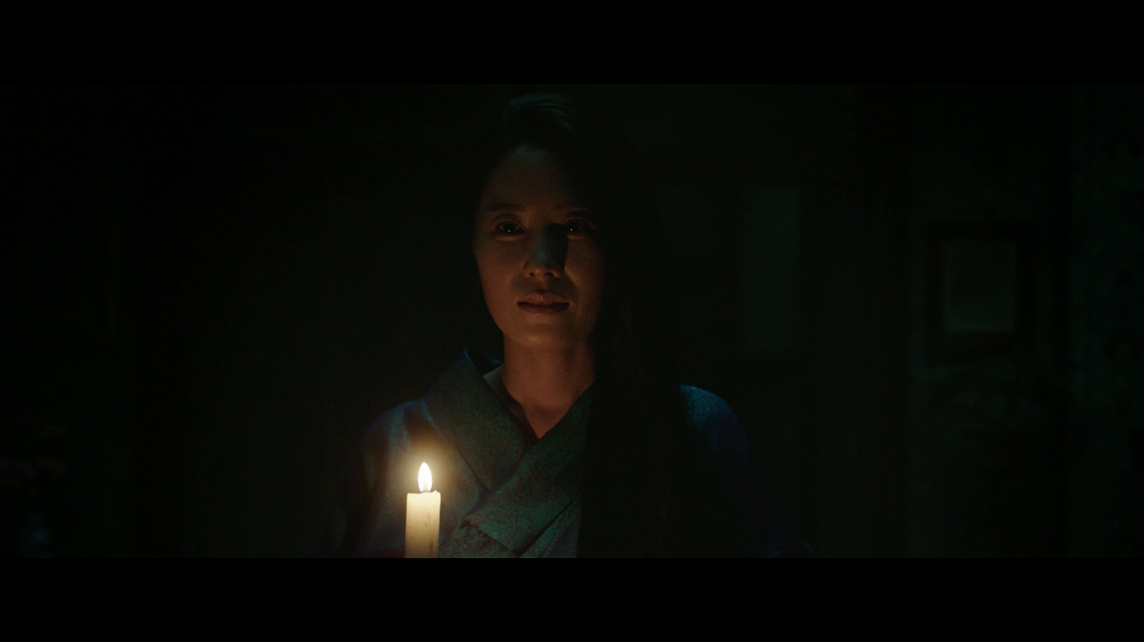
Inside Park Chan-wook’s Creative Process
One of the most inventive filmmakers of his generation, Park Chan-wook has presided this year over the Jury of the 79th Festival de Cannes. Making his Competition debut in 2004 with Old Boy, Korean director walked away with the Grand Prix. Since then, he has continued to deliver baroque and subversive cinematic gems, from Thirst (Jury Prize, 2009) to Decision to Leave (Best Director Award, 2022), and most recently No Other Choice. As the Festival opens, he shares some of the secrets behind his creative process
What inspires you the most?
Inspiration is like a spark that occurs when stimulation from the outside meets an inner readiness. Like a lightning rod placed to receive a bolt of lightning, we must always keep our antennas raised. As long as we keep a long, upright antenna standing, lightning can strike at any moment. From books, films, music, art, architecture, dance, theater, anywhere.
Can you be inspired by reality too?
Of course. Newspaper articles, TV news, even all kinds of absurd claims and rumors floating around the internet. And the most important thing is living human beings. Nothing inspires me more than the people around me and myself.
When writing, how do you collaborate with other screenwriters?
I cannot write alone. First of all, it is too lonely, and secondly, I become too lazy. When I am lonely, I keep postponing the work. Even if I somehow manage to begin, when I am alone I constantly find myself looking at my smartphone or lying down. That is why I absolutely need a co-writer. Fortunately, I have been lucky enough that every one of my co-writers has possessed exceptional talent. We do not divide up fields or work in a fixed order. Either we write literally line by line together, or we go back and forth repeatedly, examining every single word.
Do you think about the visual style of your films as early as you are writing?
Only slightly. If a visual idea comes to mind clearly, I make a note of it. I also write it into the script when the way one scene connects to another is important. But for most of the writing period, I try to focus on the story and the characters.
How do you go about your research?
I gather materials and read extensively, recruit scholars specializing in the field for consultation, and hire professional researchers.
Park Chan-wook and Revenge
Rather than revenge itself, I am more interested in the obsession towards it. What is it that makes a person cling to the act of revenge? Take, for example, a man seeking revenge for his dead wife. What practical benefit could revenge possibly offer him? It is self-evident that his wife will not come back to life. And yet, why does he invest everything in this pursuit?
Revenge is the act of staking the most important things on the most futile of endeavors. This foolishness may well be a trait unique to human beings. But then again, if you think about it, revenge does offer a certain kind of reward. A fascination with oneself in the act of carrying it out. A kind of narcissism. And another, it functions like a drug that helps one forget the pain caused by the death of a loved one. There is surely something addictive about it.
Which is why the completion of revenge will inevitably lead to immense emptiness. Perhaps that is why revenge is an act carried out while hoping its completion will be endlessly postponed.
Before filming, do you use any tools to get the whole team on the same page? A storyboard or something similar.
I create storyboards. I draw every scene of the film as though the editing has already been completed.
On set, are you open to surprises, or is everything planned down to the last detail?
I plan and prepare in great detail, but when shooting I am always waiting for and welcoming new ideas. Whether they come from my own mind or someone else’s. If the planning is thorough, if everything is fully prepared, it also becomes easier to embrace new ideas, even if they are truly crazy. The reason I make storyboards so meticulously is to secure enough time to talk with the actors on set. While other directors are spending time figuring out the angle for the next shot, I want to talk with the actors. The cinematographer is already setting up the angles according to the storyboard anyway.
How much creative freedom do you give to the actors? Do you shoot a lot of takes?
The reason I make storyboards so meticulously is to secure enough time to talk with the actors on set. While other directors are spending time figuring out the angle for the next shot, I want to talk with the actors. The cinematographer is already setting up the angles according to the storyboard anyway.
How do you approach the music, which plays such an important role in the tone of your films?
Music, of course, breathes emotion into individual scenes. That alone is tremendously important. But I believe that the most important role of music is precisely to give the entire film its proper rhythm. And naturally, that rhythm also includes moments – without music – of silence.
Where do you find the most joy in making movies these days?
I believe DI (digital intermediate) is truly one of the blessings of the digital age. When I am delicately refining colors and contrast, I completely lose track of time. At the same time, however, when I look at the great masterpieces made during the film era, I realize that they created such beautiful and delicate images without digital DI, and I find myself filled with admiration for the masters of that time.