Interview with Laura Samani, member of the Un Certain Regard Jury

Member of the jury "Un Certain Regard" and Italian director and screenwriter Laura Samani arrives for the screening of the film "La Vie d'une femme" (A Woman's Life) at the 79th edition of the Cannes Film Festival in Cannes, southern France on May 13, 2026. (Photo by Valery HACHE / AFP) © Valery Hache / AFP

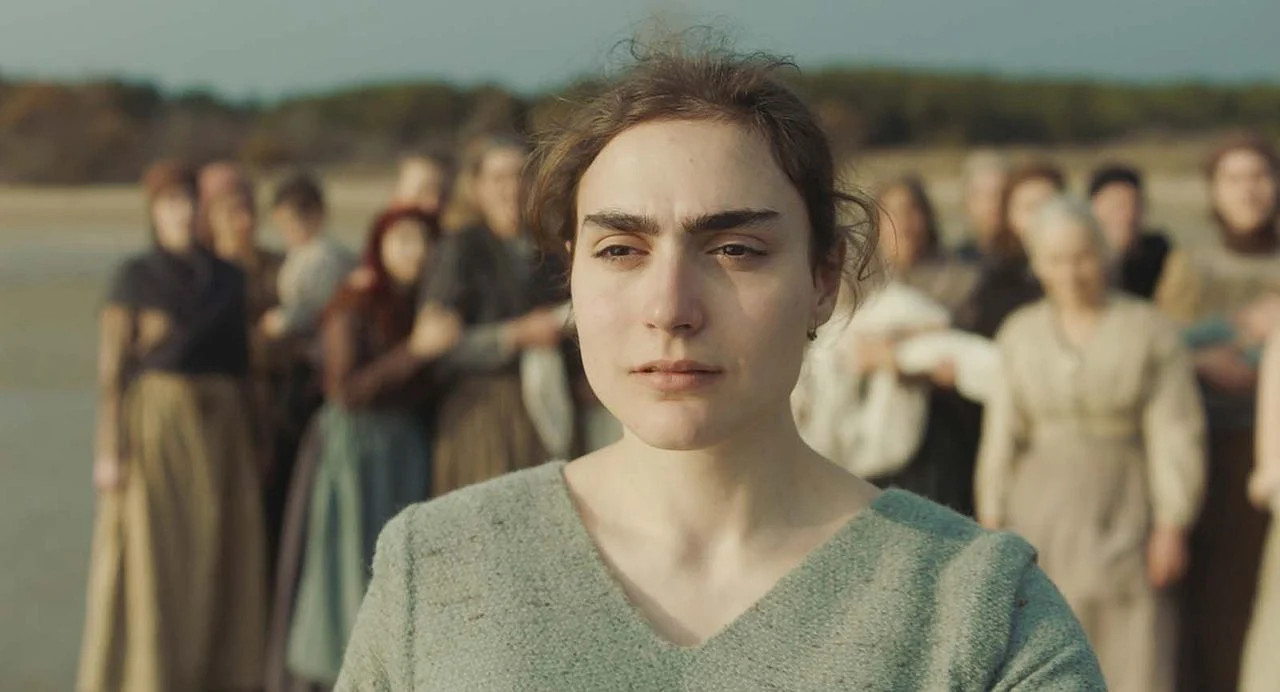
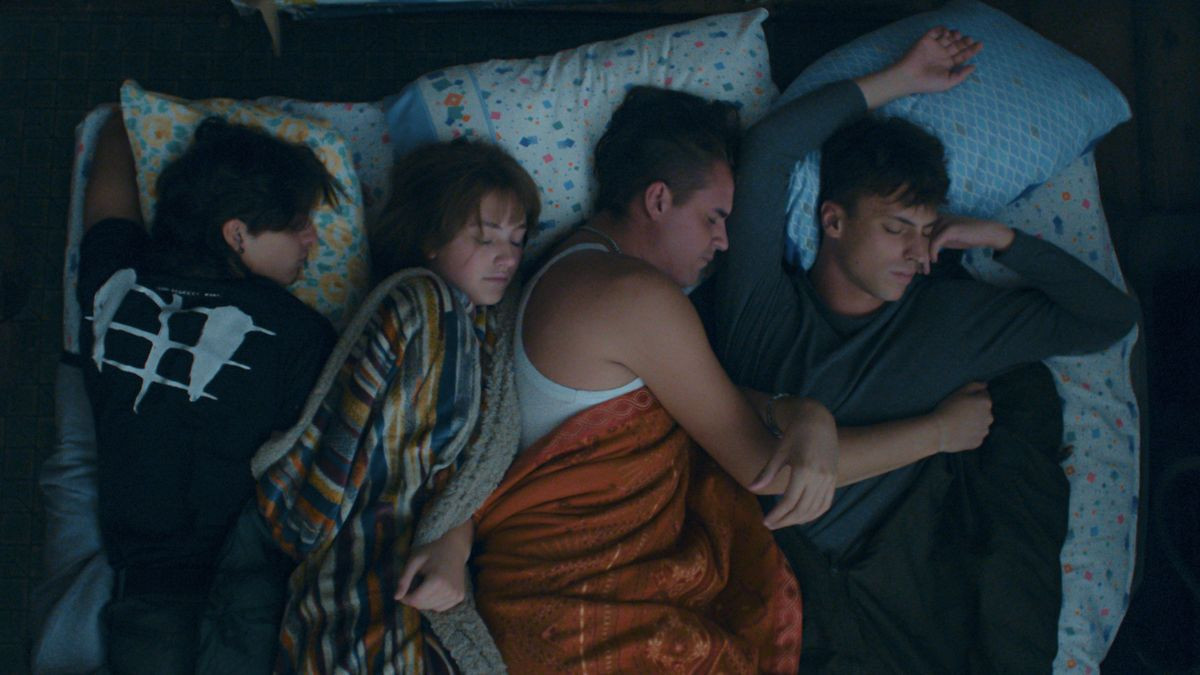
Laura Samani’s cinema is a blend of sociology and fable. After La Santa Che Dorme (The Sleeping Saint), presented in the Cinéfondation in 2016, she made two feature films, Piccolo Corpo (Small Body) and Un anno di scuola (One Year of School), which explores the freedom and independence of female characters. The Italian director contemplates her cinema and her role in the Un Certain Regard Jury chaired by Leïla Bekhti.

How would you define the Un Certain Regard section?

It’s a sparkling and surprising section. Without spoiling the films, I can tell you that they’re very varied and they immerse us in a beautifully mesmerizing universe.

How are you tackling your role in the Jury?

With a great dose of curiosity and empathy. I’m watching films like a viewer. I leave the professional side, the analyzing and the expertise for later when we discuss things among Jury Members. These films enable us to discover new things about the world and about ourselves. At the beginning, it’s very visceral, later it becomes cerebral.

What about your activity as a filmmaker?

It’s an exercise and an ethical position. I try to use cinema as an excuse to question ourselves as a community about some subjects and to highlight injustices regarding the means we have at our disposal. It’s strange, because in my films I address this simultaneously as a subject matter, but also as something involving professional ethics. That is to say, even though the job description is very broad, it is still my responsibility as a director to supervise an entire team.

When you were a teenager, what was your relationship to cinema?

I didn’t go to the movies a lot when I was a child and we didn’t watch that many movies at home. We never watched TV, we were extremely stylish that way, we had VHS tapes with recorded films. So there are some films that I’ve never seen in their entirety, others that only started after 10 minutes because another movie had been taped at the beginning. So the way I discovered cinema was very artsy, there was no hushed dark theatre silence, but it was rather a patchwork of movies with involuntary associations.

Nevertheless, did one of them leave an impression?

A TV movie called Fantaghirò (Fantaghirò: Cave of the Golden Rose). In Italy, it’s a cult movie, a kind of pulpy fantastical tale. It’s the story of Alessandra Martines, a former ballet dancer and daughter of a king without sons. She’s the youngest one, but the king wanted a boy. So then he organizes a tournament, a battle among warriors to determine who will be his heir. Alessandra dresses up as a knight and wins the fight. There’s a whole series of stories involving monsters, creatures, a witch, etc. It’s based on a traditional Italian tale by Italo Calvino.

Where does your inspiration come from, this blend of sociology and legend?

I have an anthropological approach to cinema. When I dive into a movie, I look at the story as if I were going to study an unknown country where I want to understand the language, the traditions, the bodies, the narratives. Kind of like Arnold Van Gennep, this 19th century sociologist who studied rites, and in particular rites of passage. He wrote some very shocking things for his time. For example, he considered marriage not to be a rite of union, but one of separation. It’s very interesting, he focused on the fact that we leave our original nuclear family. And so it is. Lastly, I’ve always been inspired by fairy tales, fables, and story-telling.