FATHERLAND © Agata Grzybowska
The filmmaker, well-known for his documentaries, shone these last few years with two magnificent black and white films rooted in contemporary history. After Ida, honored in 2013, Paweł Pawlikowski won the 2018 Award for Best Director for Zimna wojna (Cold War). Following these same principles, he returns to the Competition eight years later with Fatherland.
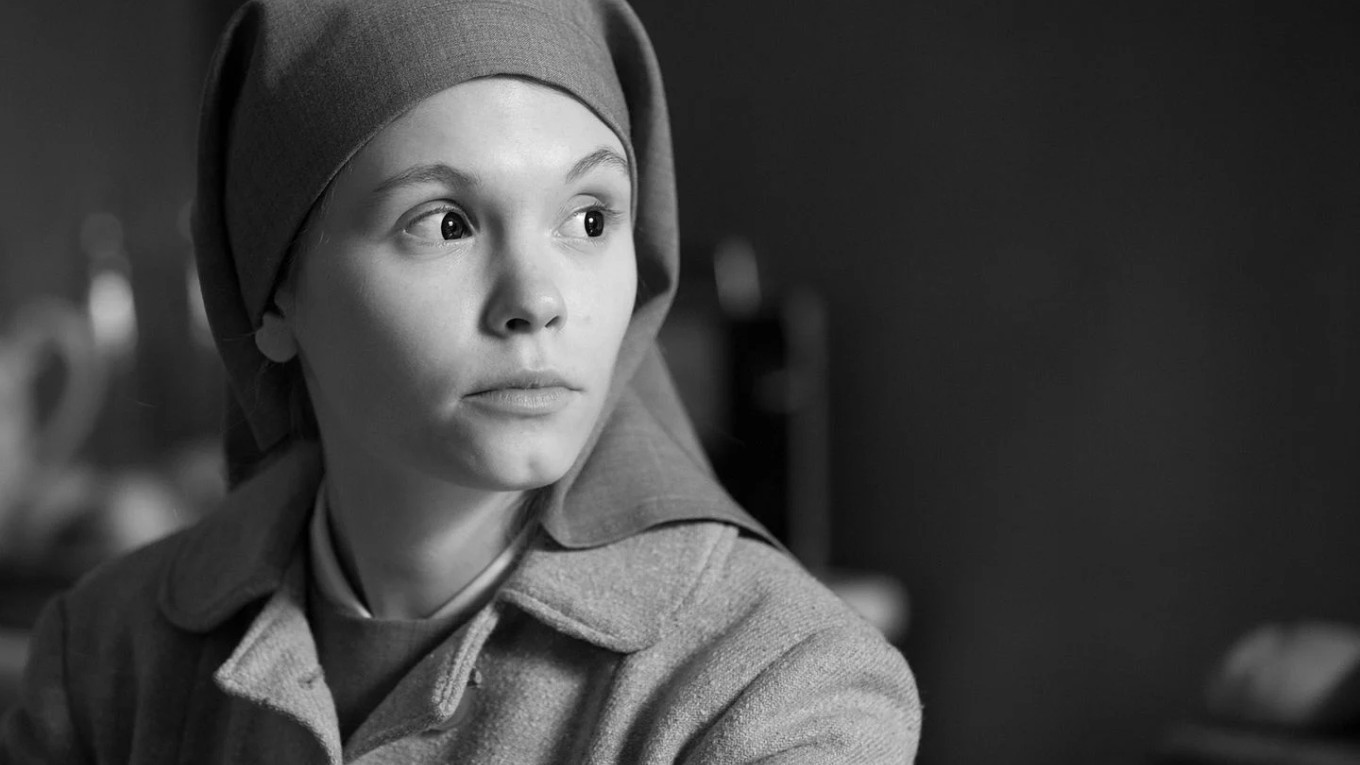
Anna, an orphan raised in a convent, sets out to track down her aunt, the only family she has left. Ida is imbued with a strong sense of melancholy, inherent in Pawlikowski’s films. As the journey takes us through communist Poland, the revelation of a family secret rattles these characters often placed at edge of the frame, under sometimes overwhelming lights.
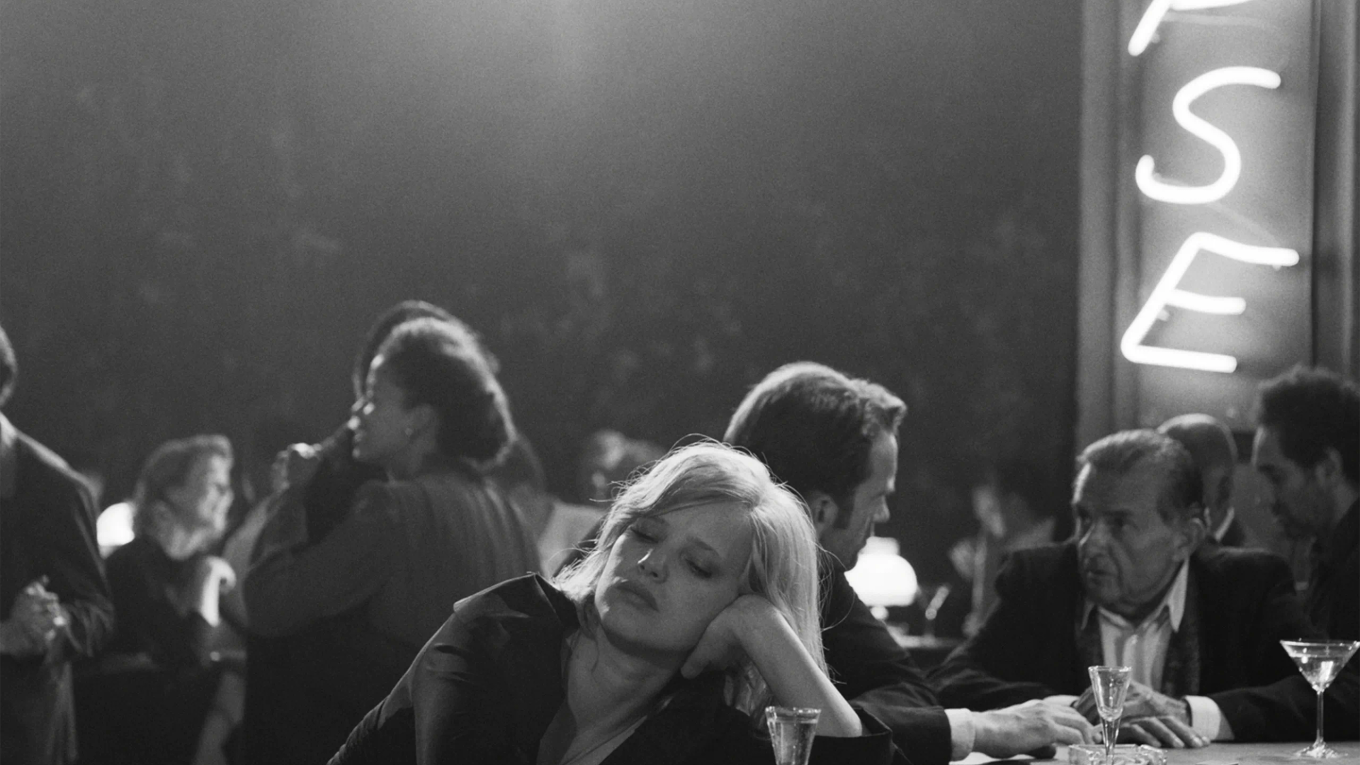
Amidst the Cold War, a singer and a musician in love with freedom leave Stalinist Poland for Paris, but their love sounds like a curse. Shot in luminous black and white with exacting staging, Zimna wojna (Cold War) is probably Paweł Pawlikowski’s most poetic and generous film.
In 1949, Thomas Mann, Nobel Prize in Literature laureate, returns to Germany for the first time since the end of the war. He travels with his daughter Erika, an actress, writer, and rally driver through war-torn, divided Germany. Paweł Pawlikowski chooses black and white again for this road trip with Sandra Hüller and Hanns Zischler. For cinematography, he reunites with Łukasz Żal, with whom he launched his career and who has been by his side since Ida. More recently Żal also worked on Hamnet and The Zone of Interest.