


MEMORIES OF CANNES
BY VICTOR ERICE
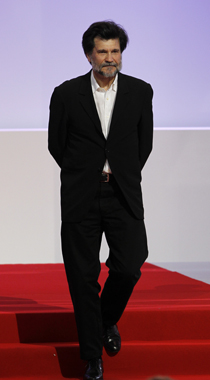 I went to Cannes for the first time in 1962 to write the Festival chronicle. At that time, I was a young student at the Official Film School in Madrid, studying film directing and writing for a specialised film magazine. For me, as for most film lovers at the time, the Festival de Cannes was a springtime stage for screening a selection of films from around the world made by some of the best living filmmakers. It was an extraordinary opportunity and a privilege for someone like me, who was still in training, to have access for two whole weeks to films that most of my fellow countrymen would not be able to see, either because they were not distributed in Spain or because of political censorship (each of these reasons being more or less equally common).
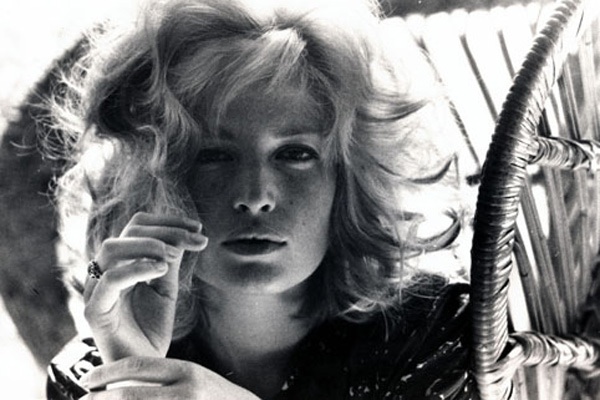
I travelled alone by train. During the journey, which seemed endless, I reminisced about recent Festival events tinged with scandal. Without knowing why, these were my first thoughts. For example, Cannes was the city where, in 1960, L’Avventura was booed by a large portion of the audience on the night of its world release; but it was also in Cannes, a few days later, that the International Jury acknowledged the quality of Michelangelo Antonioni’s film by awarding it a Special Jury Prize, positively shaping the destiny of one of modern film’s masterpieces.
It was also in Cannes, in 1961, that "Viridiana", Luis Buñuel’s first Spanish film made in his homeland after years of exile, won the Palme d’Or and created a huge scandal as it had been declared blasphemous by L’Osservatore Romano. This event led directly to the dismissal of the Director General of Cinema. According to the Spanish government, Viridiana never existed.
 |
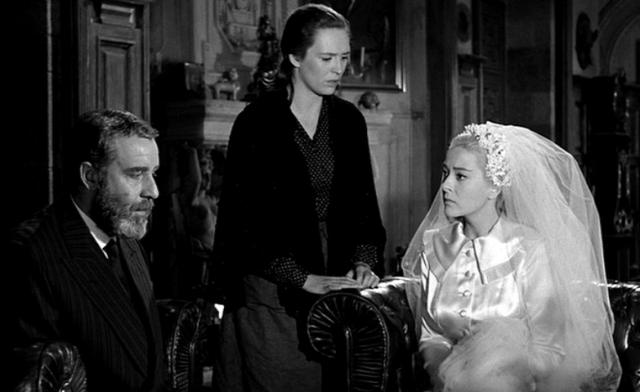 |
| Monica Vitti in L’ avventura by Antonioni | Viridiana by Luis Buñuel |
For this reason, among others, Cannes seemed to me to be a stage on which the destinies of various works were determined. Over time, these same works would prove their timeless artistic quality. I wondered what this season had in store, as it looked promising, on paper at least.
With my mind filled with these thoughts and others, I finally arrived in Cannes in the first week of May. Having omitted to make any arrangements in advance, I had a hard time finding somewhere to sleep. After much wandering around, I ended up in a little hotel near the train station. In those days, I suffered from dreadful insomnia and thus spent the whole night stretched out on the bed, my eyes wide open in the semi-darkness, listening to the trains pass by.
The light of dawn was always a relief. I immediately went out into the street to enjoy the peacefulness of a city that was still asleep. I had gotten into the habit of walking slowly along the Boulevard de la Croisette while waiting for the screening of the day’s first film (I managed to see four a day). This was my only quiet walk, the only purely contemplative act I did without the cinema screen before my eyes. That screen was like a mirage that held the dreams (and nightmares) of many filmmakers from all over the world.
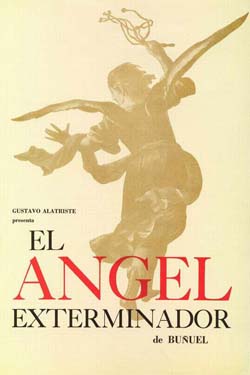
In the 1962 season, the Festival screened the works of Robert Bresson (The Trial of Joan of Arc), Luis Buñuel (The Exterminating Angel), Michelangelo Antonioni (L’Eclisse), Luis G. Berlanga (Plácido), Satyajit Ray (Devi), Agnès Varda (Cléo from 5 to 7), Otto Preminger (Advise and Consent), Pietro Germi (Divorce, Italian Style) and Jack Clayton (The Innocents). Today, we can confirm that some of these films belong to the most illustrious heritage in the history of cinema. However, that year the Palme d’Or was awarded to O Pagador de Promessas (Keeper of Promises), a Brazilian film of lesser quality (albeit not undeserving of the award). I have not seen it again since.
 |
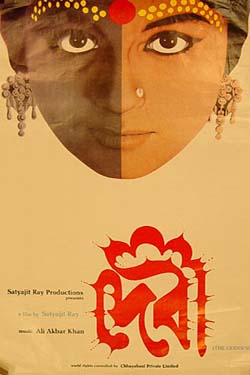 |
| The exterminating Angel by Buñuel | Devi by Satyajit Ray |
I was deeply perplexed by this outcome, especially as one of the judges on the International Jury was François Truffaut, a filmmaker I greatly admired and from whom I expected only the best. To see him somehow involved in what, in my youthful impetuousness, I would call a real absurdity got me thinking. I believe this is when I began to understand the inherent difficulty in the task given to jury members from very different countries and cultures, who often have very different criteria and tastes where film is concerned. I thought that an award was obviously the result of a discussion and a vote that could give rise to mistakes, even flagrant injustices, to be sure. But, one has to admit, it was always the result of a negotiation, or – as they often say these days – these decisions were approved by the majority. After all, this is what goes on all the time in politics.
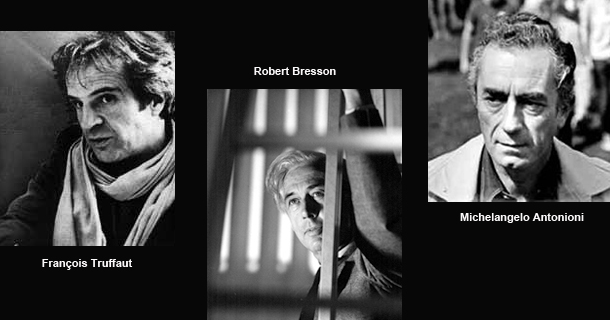
As a spectator, I must have been excessively influenced by this initial feeling of perplexity, because I never felt brave enough to want to take part in a festival jury panel – probably because of an overwhelming sense of responsibility and an awareness of how difficult it is to fulfil this role. This is why many years passed before I accepted, out of a sense of gratitude, the Festival’s invitation to form part of the International Jury. But that´s another story.
Memories… Besides my recollections of a number of remarkable films during my first visit to the Festival de Cannes, I will never forget meeting Robert Bresson or Antonioni’s tics, Georges Sadoul’s bursts of laughter during the screening of The Exterminating Angel (I sat beside him) and the shy smile of Deborah Kerr.

Deborah Kerr
L’Esprit de la ruche (The Spirit of the Beehive) by Victor Erice (1973)
>>> READ: CANNES AND SPANISH CINEMA

