


Interview with Laura Wandel, member of the Feature Films Jury
Following Les Corps étrangers (Foreign Bodies), her first solo short film (Competition, 2014), Laura Wandel directed two films from a child’s perspective. Un monde (Playground) selected for the 2021 Un Certain Regard section, takes us back to the schoolyard and the ruthlessness that can reign there, followed by L’Intérêt d’Adam (Adam’s Sake), which was written during la Résidence du Festival.
Why is it important to you to tackle childhood-related difficulties?
I feel like in our society, children aren’t listened to or appreciated enough because they don’t generate money. For me, making films about them is a way to give them back their rightful place, to give them a voice again. Our adult identity is shaped during childhood. What happens, for example, in a schoolyard reflects what plays out in life. All those power dynamics, fear of exclusion, all those challenges to fit in. It’s there all the time and forms part of what makes us human.
People often say that it’s hard to film with children, but that doesn’t seem to put many young directors off. What has your experience been?
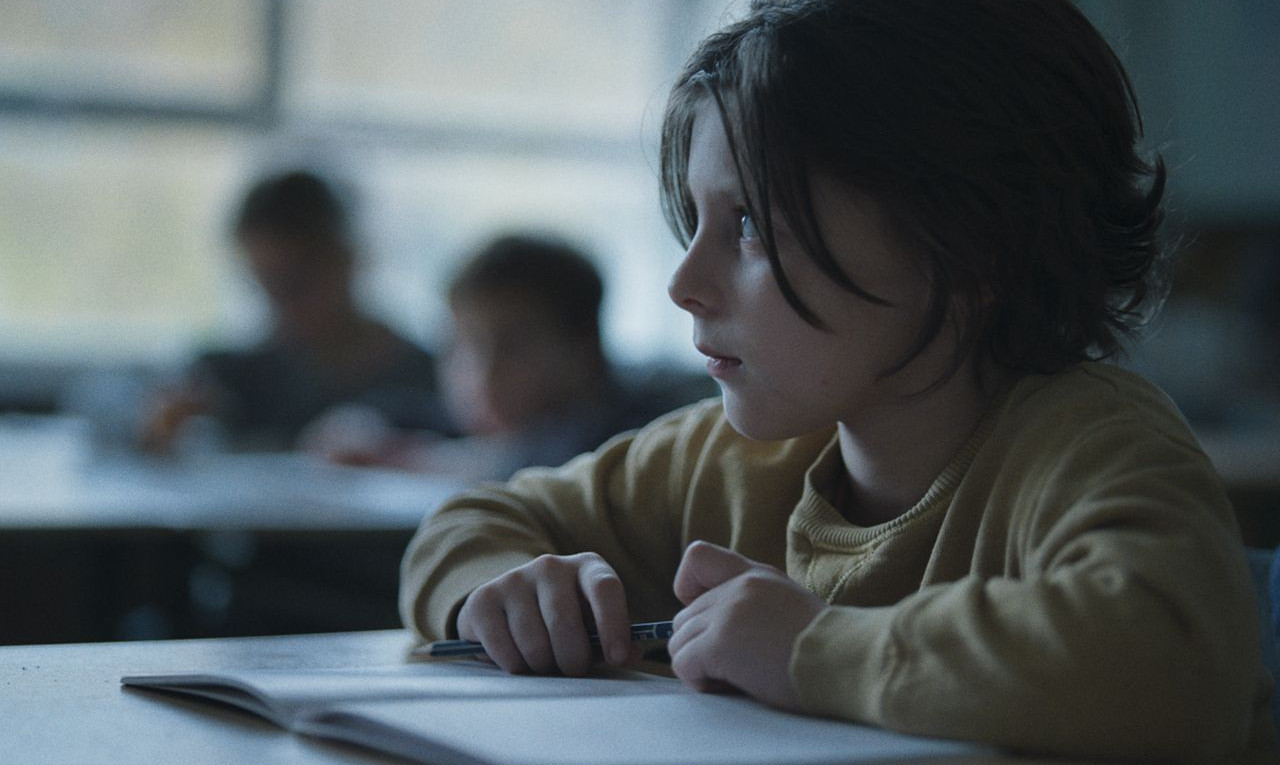
Maybe it’s easier — or at least more fun — for me to work with children than with adults. For one thing, they aren’t quite as self-conscious about their image. The thing I love is finding fun ways to get them to play along. And it’s not for nothing that we call it “play acting”. They’re very spontaneous, very authentic. That kind of truthfulness is quite rare. You can see a kind of moving blossoming in them.
Does that bring a sense of childlike joy to your work as a filmmaker?
Yes, totally. It’s really joyful working with children. Me personally, the pace people usually work at doesn’t always suit me. With kids, you have to slow down and get down to their level. It’s a different atmosphere — calmer, kinder. It allows you to see the world in a totally different way.
How important is documentation work for you in this area?
It’s what my writing is based on. Firstly, I’m drawn to a place, then I spend several weeks there completely immersed in it, and that’s where my writing takes shape, based on my observations and the people I meet. Stories are in the place itself.
What is your approach to filming scenes — sometimes difficult ones — with children?
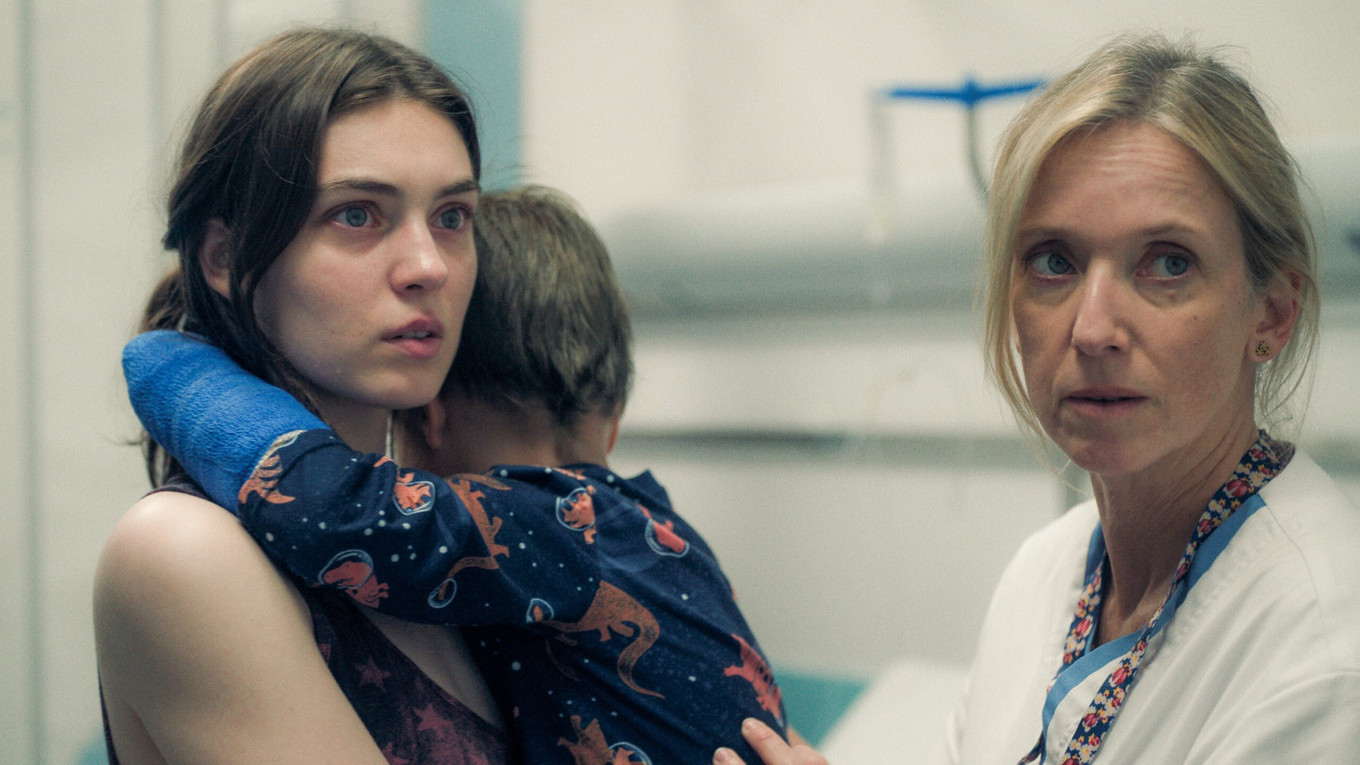
Obviously, the children don’t read the script. I work with two amazing children’s coaches to get them into the story. The very first step is to have them create a puppet of their character, which helps them to understand that it is just a character and not them. We explain the early part of a scene to them, and together with their puppets, we construct the scene. We ask them what might happen, what the characters might say to each other. Their ideas are often more interesting than what I have written. We then go on to improvise in front of the camera, which helps them get used to being in front of the lens, and, once again, more interesting ideas come up. Finally, we have them draw the scenes. This way, we go through the entire script in chronological order, and they have a visual guide to help them orient themselves during filming. We keep working on it until the shoot, when, once again, they can come up with new ideas.
Who are your cinematic references related to childhood?
Obviously Ponette, by Jacques Doillon. There is also Where Is the Friend’s House? by Abbas Kiarostami, and The White Balloon, with which Jafar Panahi won the Caméra d’or.
Un Monde (Playground) was filmed from a child’s perspective, while L’Intérêt d’Adam (Adam’s Sake) was shot from an adult’s viewpoint. Will your upcoming projects continue to focus on childhood?
If all goes to plan, it will be a period film told from the perspective of a teenage girl exploring women’s experiences.


