


Interview with Diego Céspedes, member of the Feature Films Jury
Diego Céspedes made his debut at the Festival de Cannes in 2018 with his student film, El verano del león eléctrico (The Summer of the Electric Lion), the Cinéfondation prizewinner in 2018. Seven years later, the young Chilean director was wowing audiences with his first feature film, a film that is both colorful and poignant, La misteriosa mirada del flamenco (The Mysterious Gaze of the Flamingo), recounting the arrival of HIV in a mining town, somewhere between a fable and a western. One year after receiving the Un Certain Regard prize for this film, Diego Céspedes is back in Cannes as a member of the Feature Film Jury.
What was the role of cinema in your life before you began your studies?
I had never seen arthouse films before I started film school because I had no access to them. I didn’t even know they existed. In a way, my relationship with cinema began with home videos. I also filmed my classmates — very basic videos made with Movie Maker. That was how it all started, just a few photos set to the music I liked. I come from a working-class family, but my aunt had a camera — you had to plug it into an outlet to use it, and I filmed lots of stuff that I recorded on old tapes.
Which films and filmmakers influenced your early days in the world of cinema?
I think Lucrecia Martel really made an impression on me when I saw La Ciénaga (The Swamp). When I first arrived at film school, I remember not wanting to watch any films that were slow-paced or different from what I was used to. We must have watched La Ciénaga in a theatre; I was sitting in the back row. I liked it, without really knowing why, and after I watched the film, I thought to myself, “There’s something new I want to explore.” So, I started getting into Asian cinema, discovered Apichatpong Weerasethakul, and Naomi Kawase’s documentaries, and continued to build my cinematic knowledge with European classics.
When your first short film El Verano Del León Eléctrico (The Summer of the Electric Lion), was selected for La Cinef, even before you were awarded the First Prize, how did you feel as a novice filmmaker?
I always say that being selected for this award means a lot to me. It was my way into this world, which has embraced me ever since. It opened a lot of doors for me and allowed me to continue making films; it was the start of my quest.
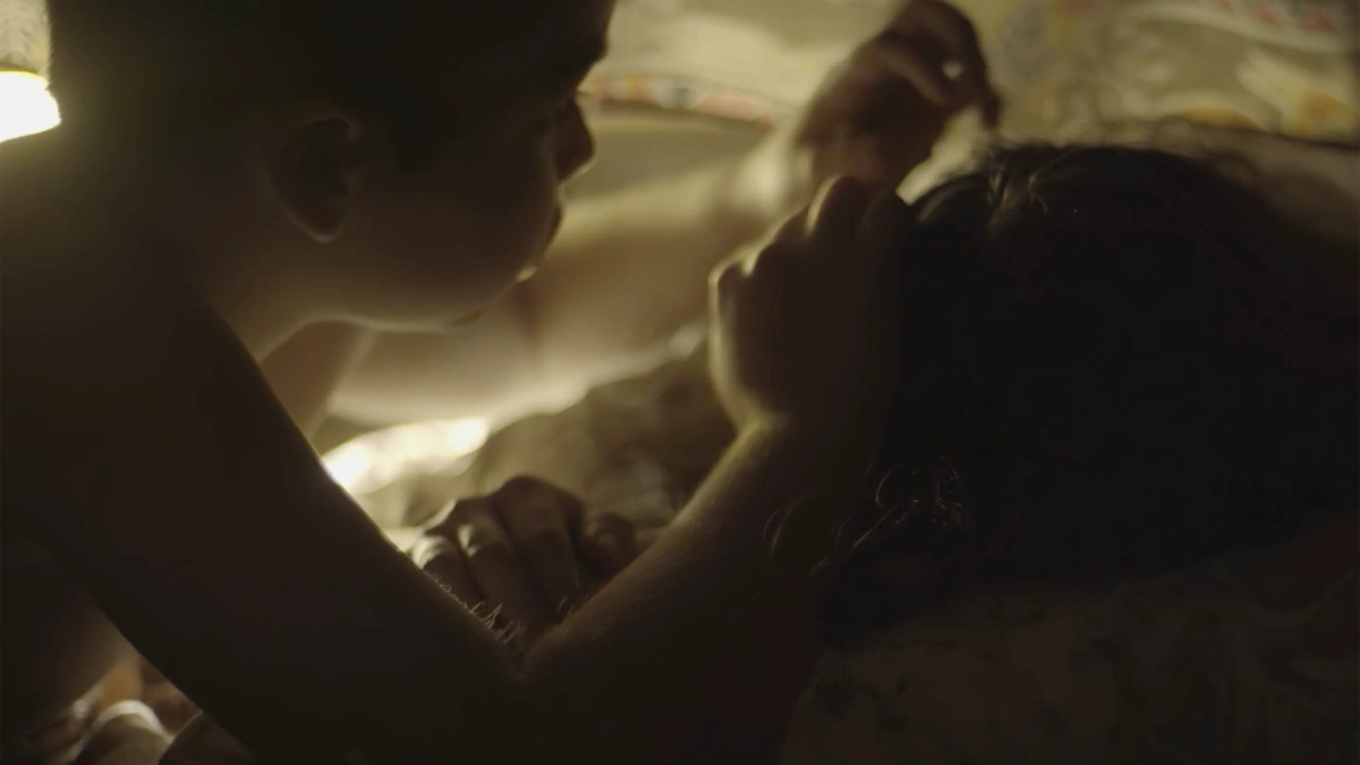
What did writing and directing your two short films teach you for your first feature film project, La Misteriosa Mirada de Flamenco (The Mysterious Gaze of the Flamingo) ?
When your short films are well received, it gives you credibility. I’ve participated in several residencies and workshops, not out of pure necessity, but because they allowed me to obtain the time and money I need to keep writing. Sometimes, to be a good writer, you need to free yourself up to do nothing else. That’s why so many wealthy people can make films, because they can afford to do nothing. That’s not the case for me, so I went from one residency to another. It became more and more important, and now I think I’ve developed my own writing style.
When you returned to Chile, having been awarded the Un Certain Regard Prize, how was the film received there?
Very well. It’s still showing in theatres — it’s been showing for about three months now, which is unusual for Chilean films. When it first came out, people wrote to me every day. The Un Certain Regard Prize helped promote it, but after that, it was just the film that mattered. People who didn’t usually go to the cinema went to see it out of curiosity and they loved the film, and the warm welcome they gave us was incredible for me and my whole team. It was really great.
In all your films, there’s a connection to magic and the fantastical. Where does that come from?
There’s a pretty vivid childhood memory I have related to that. During the holidays, we’d visit my father’s family in the countryside, and we’d all sleep in the same room which had a big wall. One day, a wolf came and ate all the chickens, so we were forbidden to go outside. I kept thinking about that wall and telling myself that the wolf was prowling just behind it. I imagined an enormous monster; I was terrified, even though I now realize it was probably just a small animal. It’s that time when you don’t understand things and you come up with your own interpretation that affects me the most. It was specifically when I began writing my own stories that I realized I wanted to incorporate this fantastical element and the mystery that comes with not understanding.
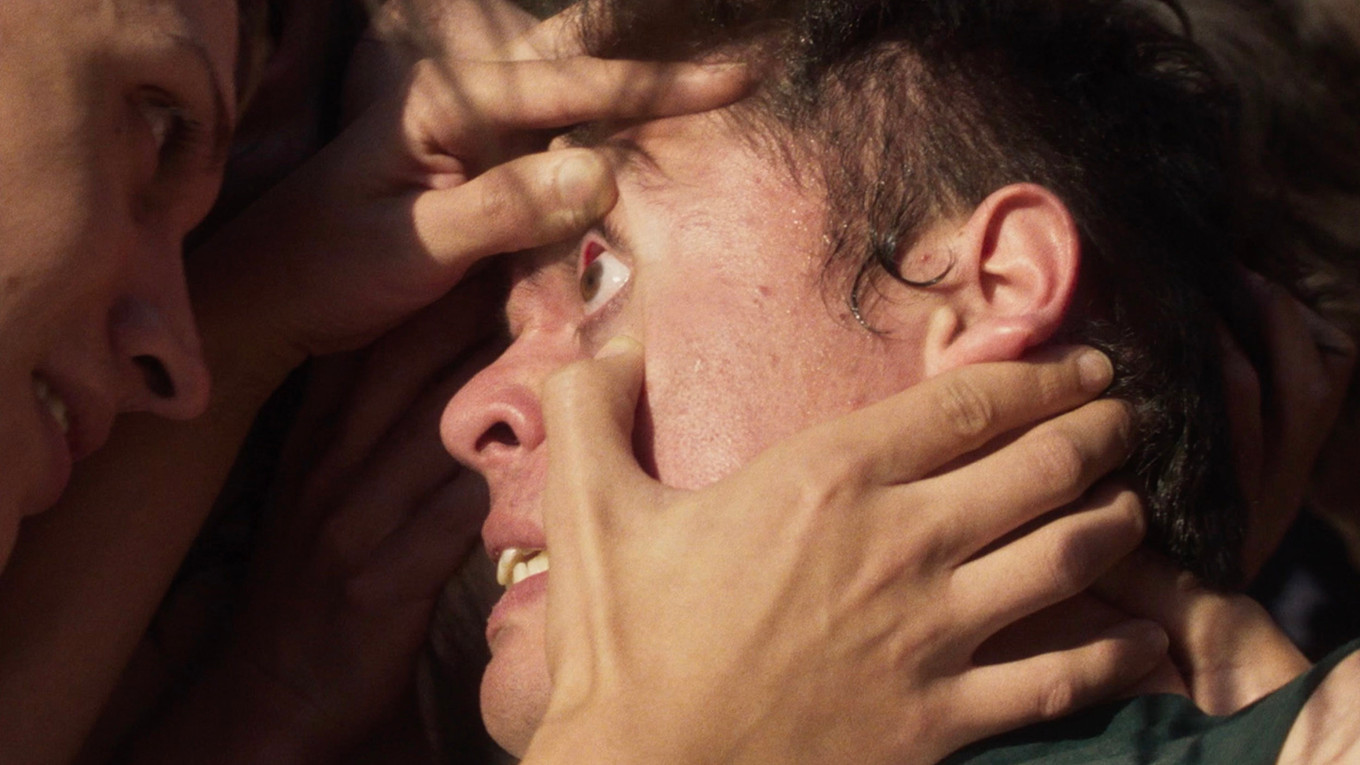
There’s also an element of queerness, which varies from film to film. How do you deal with this aspect?
The term “queer” leaves me with questions. I always say that I’m very politically engaged and I sincerely believe that inclusion brings more depth to art; but I think the way this idea is used is strange. Talking about queerness shouldn’t be reduced to just a film genre. It’s just about people with different orientations or identities. There’s a queer element in everything; it’s about the strangeness of the human soul. Sometimes I watch movies that aren’t regarded as queer but they really are.
For instance?
I am thinking of Lazzaro Felice (Happy as Lazzaro), by Alice Rohrwacher. I feel like this character and his sensitivity have something very queer about them. At one point, he feels a strange attraction to a boy. It’s not just because of the attraction itself, but because of the sensitivity with which he views human beings. To me, it’s a very open concept, and it’s opening up even more today. In my view, a good movie is always queer. The films I love are always a little bit queer because they have a special sensitivity.
The issue is one of characters and narratives, it’s not about genres…
I don’t like to pigeonhole a film just because we have a certain view of a character or sexuality. That’s my view. Do we expect other films to be heterosexual? There’s no such thing as a “heterosexual film.” I want to expand the concept of queerness and what it means to “be different” in all kinds of ways.
What can you tell us about your next film?
Not much at the moment, just the title: The Case of a Boy Who Lost His Heart.


